The New Way People Are Meeting in Cities — And It's Not Dating Apps
Ryan Calloway
Category
Lifestyle
Date
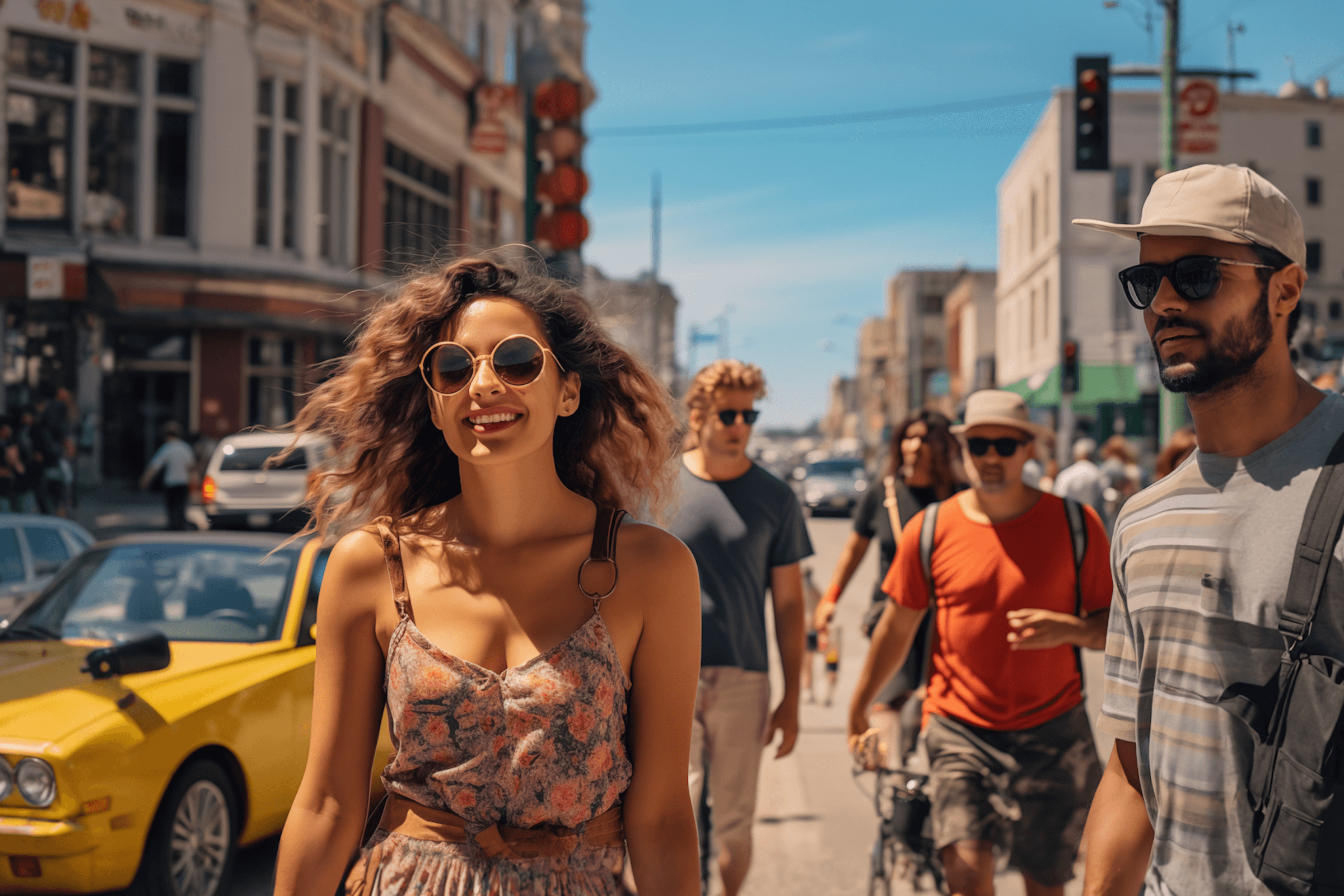
Something is shifting in how people meet in cities. Not romantically — socially. The friends-of-friends network that used to happen naturally through school, work, and neighborhood bars has quietly collapsed for a lot of people. And the apps that were supposed to fix loneliness mostly made it worse by turning every interaction into a swipe or a follow.
What's emerging instead is something more interesting: people coordinating around shared activity rather than shared profiles. Less "here's who I am," more "here's what I'm doing — want to join?"
Why activity-first connection works better
The problem with most social apps is that they start with identity — your photos, your bio, your follower count. This creates performance pressure before any real connection has happened. You're essentially auditioning for someone's attention before you've ever been in the same room.
Activity-first flips this. When you meet someone on a group hike or at a neighborhood run, the shared experience does the work. You don't need a perfect profile because you're already doing something together. The conversation starts naturally, the awkwardness is lower, and the connection feels real because it happened in real life rather than through a screen.
Research backs this up consistently. People who meet through shared activities report stronger friendships, higher trust, and more frequent contact than those who connect online first. The activity is the shortcut to actually knowing someone.
What this means for cities
Cities have always been built for density — millions of people living within kilometers of each other. But density alone doesn't create connection. For most of urban history, that connection happened through institutions: the church, the union, the local sports team, the neighborhood pub. Most of those institutions have weakened significantly over the last two decades.
What's replacing them isn't one thing — it's a loose network of smaller, activity-based communities. Running clubs that meet at 7am on Tuesdays. Climbing gyms with their own social ecosystem. Surf communities that organize weekend trips. Photography walks that turn into dinner. These aren't formal organizations — they're just people who keep showing up to the same thing and eventually become part of each other's lives.
The technology that supports this is finally catching up. Not social networks, not dating apps — but coordination tools that make it easy to see what's happening around you and say yes to it. The cities that figure this out first will have something genuinely different: density that actually feels like community.
Latest insights








Catch every moment together
Meet up, plan events, and stay connected — all in one app.
9:41

Coorda Template
from
$79
Get template